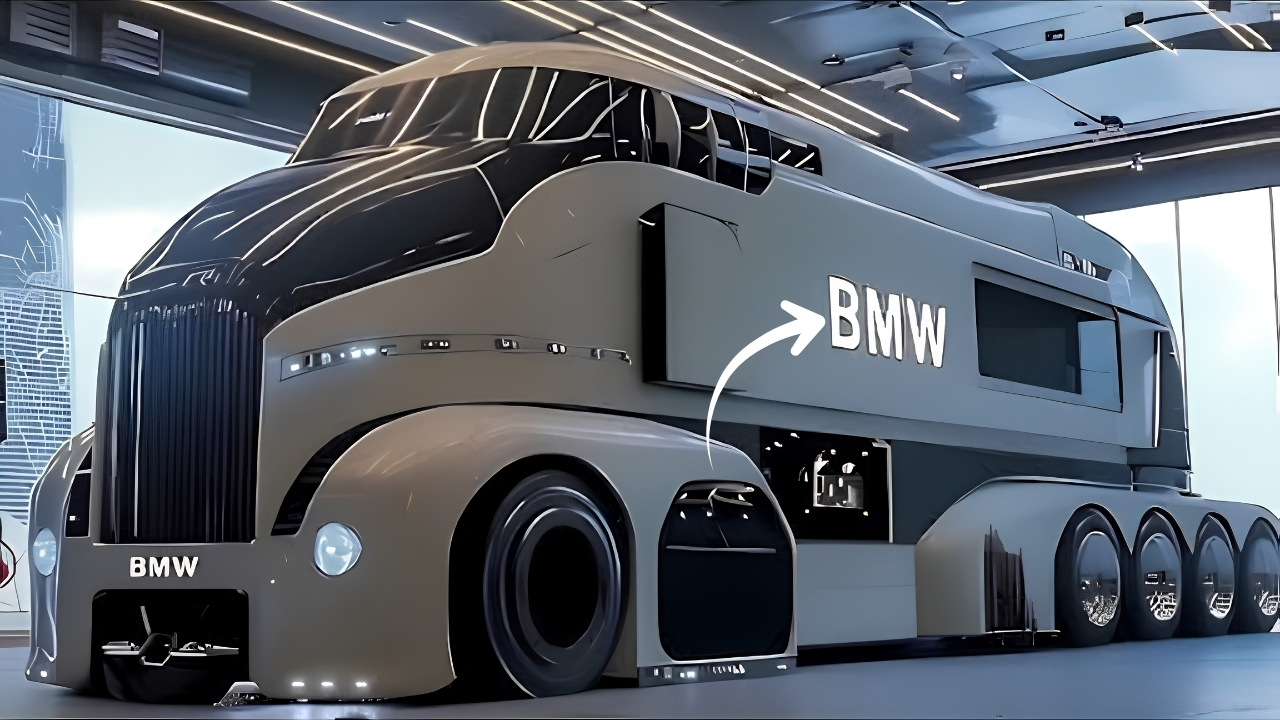
2026 BMW iX Motorhome : The 2026 BMW iX Motorhome has emerged online as a striking vision of what an electric luxury recreational vehicle could look like.
Inspired by the BMW iX electric SUV, the concept imagines a premium, battery-powered motorhome combining lounge-like comfort, smart technology and zero-tailpipe-emission touring. However, Australians should treat it as a design-led concept rather than an officially confirmed BMW production vehicle.
BMW’s established iX range is an electric luxury SUV line, while the company’s newer iX3 represents the beginning of its Neue Klasse electric-vehicle era.
BMW Australia is continuing to expand its local EV presence, but there has been no formal announcement of a factory-built BMW iX motorhome for sale in Australia.
A BMW lounge that travels
The appeal of the imagined iX Motorhome is easy to understand. Traditional motorhomes are often practical first and stylish second.
They provide beds, kitchens and storage, but they may feel bulky, noisy and disconnected from the premium-car experience. A BMW-inspired electric motorhome would attempt to change that formula.
Rather than looking like a conventional white caravan or large diesel RV, the concept is presented as a sleek, modern vehicle with clean body surfaces, a broad front-end design and lighting signatures influenced by BMW’s electric SUVs.
The objective is to make a motorhome feel less like commercial transport and more like a high-end mobile apartment.
Inside, the focus would likely be on flexible living space. Visual concepts circulating online describe an extended body with expandable or slide-out sections, intended to increase usable room once the vehicle is parked.
This would allow the cabin to serve several roles during a journey: a driving space, dining zone, relaxation area, sleeping compartment and remote-work environment.
The iX Motorhome concept is often described as an electric, all-wheel-drive RV built around the idea of premium comfort and usable living space rather than a traditional diesel-powered camper.
Another online concept imagines an elongated iX-based vehicle with slide-out modules and room for a two-bedroom-style layout, although these specifications have not been verified by BMW.
Electric touring for Australia
For Australian travellers, an electric motorhome would bring both excitement and practical questions. Australia is made for road trips, from coastal routes and wine regions to national parks and long inland drives.
Yet those same distances can make electric touring more challenging, particularly for a large vehicle carrying passengers, water, luggage, appliances and camping equipment.
A motorhome consumes more energy than a regular SUV because of its greater mass and less aerodynamic shape. Strong headwinds, steep climbs, rough roads, air-conditioning use and a heavily loaded cabin can all affect range.
That means a successful electric RV would need a substantial battery, sophisticated energy management and dependable access to high-power charging.
The advantage of BMW’s current EV development is that the company is investing heavily in next-generation electric architecture. The new BMW iX3 50 xDrive launched in Australia as part of the Neue Klasse programme, with an all-wheel-drive layout, a large battery and a claimed driving range of up to 805km under the stated testing standard.
While that does not mean a BMW motorhome would match those figures, it indicates the direction BMW is moving in: longer range, faster charging and more integrated digital systems.
For a future iX Motorhome, practical touring would depend on charging stops becoming part of the journey rather than an inconvenience.
Drivers might plan breaks around regional fast chargers, recharge while eating or sightseeing, and use onboard navigation to calculate routes according to terrain, battery level and charging availability.
Smart cabin, smarter energy use
Technology would be central to any BMW electric motorhome. BMW is already known for large digital displays, connected navigation, driver-assistance systems and personalised cabin settings. In a motorhome, these systems could extend well beyond the driver’s seat.
A central control screen could manage interior lighting, heating, cooling, battery use, water levels, window shades and entertainment.
Occupants could switch from a daylight travel setting to a night-time camping mode with one command. Ambient lighting, adjustable seating and premium materials could give the vehicle a relaxed, hotel-like feeling after a long day on the road.
Energy efficiency would matter just as much as luxury. A well-designed electric motorhome could use heat pumps, solar panels, energy-saving appliances and separate power-management modes to reduce demand on the main traction battery.
Solar power alone would not be enough to drive a large RV long distances, but it could help support low-energy functions such as lighting, device charging and ventilation while parked.
There is also potential for vehicle-to-load capability, allowing the motorhome’s battery to power camping equipment, laptops, small appliances or outdoor lighting.
In the future, more advanced systems could potentially allow the vehicle to support a home during an outage, though this would require suitable hardware and regulatory approval.
The reality behind the headlines
The most important point for prospective buyers is to separate concept material from official product news. Online articles have described a “2026 BMW iX Motorhome” with luxury interiors, smart features and residential-style space, but these descriptions do not amount to a BMW launch confirmation.autoly+1
BMW’s confirmed Australian electric-vehicle activity is currently centred on production SUVs such as the iX1, iX2 and iX3. The iX itself is also expected to remain in production through 2027, according to reporting that cited BMW Australia’s product and market planning team.
Those vehicles show BMW’s EV direction, but none confirms that a motorhome derivative is being developed for Australian showrooms.
That does not make the idea irrelevant. The rise of electric vans, camper conversions and luxury EVs means an electric motorhome from a prestige manufacturer is no longer impossible. It simply remains a future-facing possibility rather than a vehicle Australians can order today.
What it could mean for buyers 2026 BMW iX Motorhome
If BMW ever turns the iX Motorhome idea into a real product, it could appeal to buyers seeking a quieter, cleaner and more refined way to travel.
The strongest attraction would not be raw performance. It would be the ability to wake up near the coast, in a rainforest campground or beside a country vineyard without the vibration and diesel noise normally associated with motorhome travel.
The challenge will be balancing luxury with genuine usability. Australians need touring vehicles that can handle large distances, variable weather, regional roads and limited charging infrastructure outside major urban centres.
Also Read this – 2026 Toyota Corolla Pickup launched with 4X4 full engine power, interior is fully luxury in low price
A successful electric BMW motorhome would need more than a beautiful cabin; it would require real-world range, fast charging, clever storage, durable construction and an ownership network prepared to support it.
For now, the 2026 BMW iX Motorhome is best viewed as an ambitious electric-RV vision. It captures where premium travel could be heading: silent propulsion, connected interiors and living spaces designed around experience rather than compromise.
Australia may not have this BMW motorhome in showrooms yet, but the concept reflects a future that is becoming increasingly believable.